We have a great deal of records in my family home, and one that I was drawn to when I began listening to the great singer-songwriter Bob Dylan was his 1970 album Self Portrait, thanks to its cover image.
In a denotative sense, it is a painting of a man with a big and angular nose, but in a connotative sense, it tells of an angry period in the career of a living legend, with the cover giving an insight into the complexity and confusion within this double album.
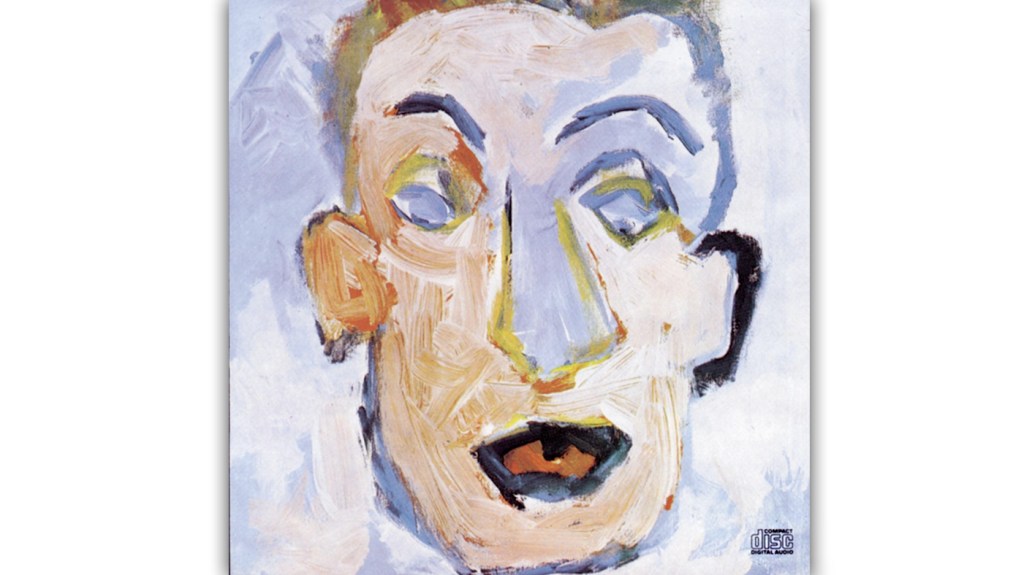
The name and image of Bob Dylan is one that has become engrained in the framework of knowledge of billions of people during his 60-year career, however with the sheer amount of music he has released and the many narratives that surround the man, this album is one that is not well known and was not well received at the time.
The image on the cover, the signifier, can therefore be read, or signified, in several ways. Some might think that it is just a cool album cover, like me at first. Others with greater knowledge might think this was Dylan trying something new, and others who have researched may see this image in the present day and think back to the context of the 1969 Woodstock festival and the peaceful revolution of American youth.
In a 1984 Rolling Stone interview, Dylan explained some of the reasons behind the album’s release.
“At the time, I was in Woodstock, and I was getting a great degree of notoriety for doing nothing. Then I had that motorcycle accident [in 1966], which put me out of commission. Then, when I woke up and caught my senses, I realized that I was workin’ for all these leeches. And I didn’t wanna do that.
“I said, ‘Well, fuck it. I wish these people would just forget about me. I wanna do something they can’t possibly like, they can’t relate to. They’ll see it, and they’ll listen, and they’ll say, ‘Well, let’s get on to the next person. He ain’t sayin’ it no more. He ain’t given’ us what we want,’ you know? They’ll go on to somebody else.”
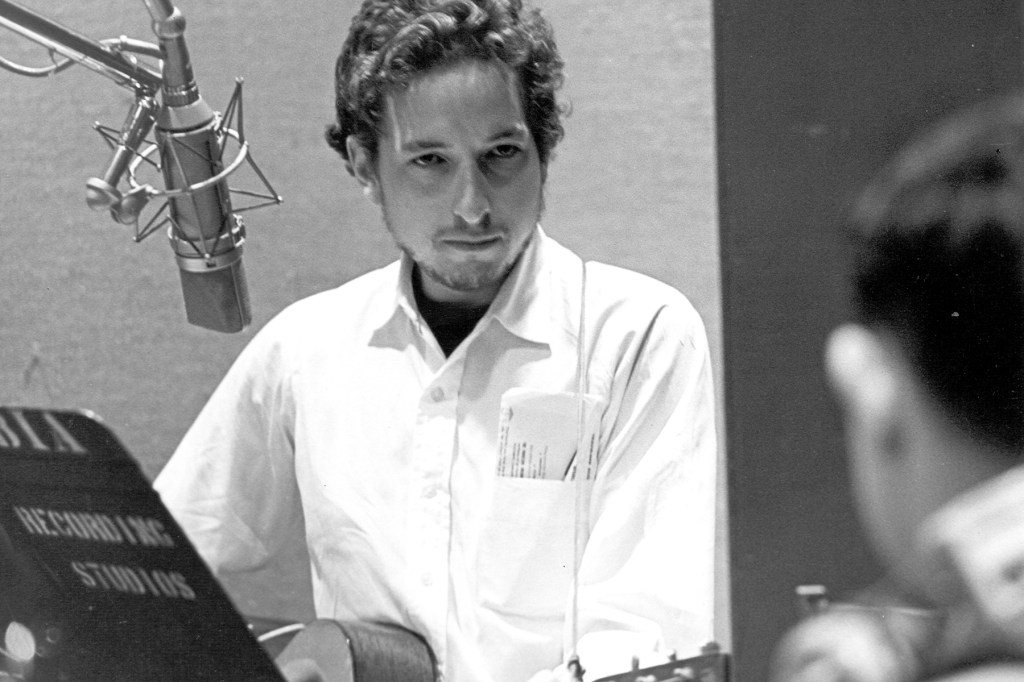
Once this album was released, it got the bad reviews Dylan wanted. Rolling Stone writer Greil Marcus’s review of the album famously began with the line “what is this shit?”, while rock critics Jimmy Guterman and Owen O’Donnell wrote in their 1991 book “The Worst Rock and Roll Albums of all Time” (in which Self Portrait was listed third) that “the breakup of the Beatles shortly before this album’s release, signalled the end of the sixties; Self-Portrait suggested the end of Bob Dylan.”
On the back of the fame he had earned for early albums such as The Freewheelin’ Bob Dylan (1964), Blonde on Blonde (1966) and Nashville Skyline (1969), he moved on and later released other well-known and loved albums in the years that followed, such as Blood on the Tracks (1975), Desire (1976) and Time Out of Mind (1997), and he still tours to this day.
For me, this represents a time that my framework of knowledge was widened, allowing me to interpret the connotative elements of this image through research and reading, a process that we, knowingly or unknowingly, are always developing when we examine any form of media, especially media that we have a special interest towards.
Guterman, J, & O’Donnell, O. (1991) The Worst Rock n’ Roll Records of All Time, Carol Publishing
Loder, K. (1984) The Rolling Stone Interview: Bob Dylan, Rolling Stone, Available at: https://www.rollingstone.com/music/music-features/the-rolling-stone-interview-bob-dylan-43446/
Marcus, G. (1970) Self Portrait, Rolling Stone, Available at: https://www.rollingstone.com/music/music-album-reviews/self-portrait-107056/
 Russ Haylock Sportswriting